A scene that lasts two minutes on screen may take two days to shoot. Actors repeat lines dozens of times, lights are moved, coffee is refilled, and the editor later picks the best performance from each take — not the take where the glass was exactly half full.
That is why continuity slips exist, and why they are less a sign of carelessness than a reminder of how films are built. On a professional set, a script supervisor logs props, positions and wardrobe for every take. Even so, some details slip through, and observant fans love to catch them.
The comparison list
Each row shows what you see before a cut, what you see after, and how solid the evidence is. "Widely cited" means the slip is visible in common releases and repeated across reputable film-trivia sources; check it yourself on your own copy.
| Film | Before the cut | After the cut | Evidence label |
|---|---|---|---|
| Pretty Woman (1990) | Vivian holds a croissant at breakfast | The pastry appears to be a pancake | Visible observation, widely cited |
| Gladiator (2000) | A chariot overturns during the arena battle | A gas cylinder appears visible on the back of the wreck | Visible observation, widely cited |
| The Wizard of Oz (1939) | Dorothy's braids at one length while meeting the Scarecrow | Braids noticeably shorter or longer in the next shot | Visible observation, widely cited |
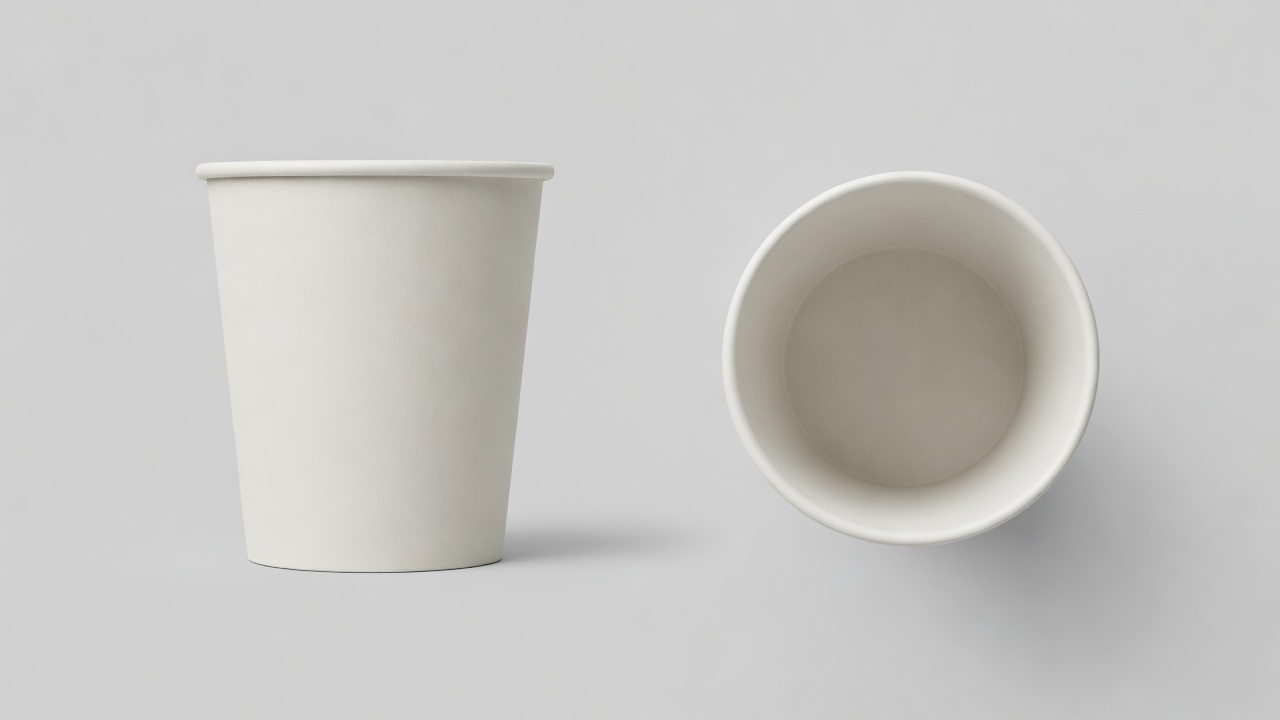
| Game of Thrones, season 8 episode 4 (2019, TV) | A feast scene in Winterfell | A modern takeaway cup sits on the table | Confirmed: HBO acknowledged it and removed it digitally |
| Pulp Fiction (1994) | Bullet holes seem visible in the wall | Shots are then fired at that wall | Observation plus fan interpretation (see below) |
The Pulp Fiction wall: slip or design?
Scene context: in the apartment scene with Jules and Vincent, a man bursts out of the bathroom with a revolver.
Spoiler warning: Pulp Fiction (1994) — reveal the evidence
- Observation
- Some viewers see what look like bullet holes in the wall behind the two hitmen before the shots are fired. Every shot misses them.
- Source
- We have not found a statement from Quentin Tarantino or the crew settling whether the holes were planned. Treat any confident claim either way with caution.
- Interpretation
- Fans who see it as deliberate tie it to Jules's belief that he witnessed "divine intervention". Others see a reset that was not quite reset. The film works either way.
Why continuity slips happen
- Out-of-order shooting. Scenes are filmed by location and schedule, not by story order, so a costume may be revisited weeks later.
- Coverage from many angles. A wide shot and a close-up may be filmed hours apart; food gets eaten, candles burn down.
- Editing for performance. Editors prioritise the best acting moment. A misplaced cup is a fair trade for a perfect line reading.
- Stunts and effects. Practical rigs, like the cylinder in Gladiator, can be hard to hide in fast action.
How to spot one fairly
Pick a single object and follow it through every cut of a scene: a glass, a cigarette, a collar, a hair parting. Note timestamps. Then check whether there is an in-story reason for the change — a character might have moved the object off camera. Only call it a slip when the story offers no explanation.
And remember the human side: the people who keep continuity are juggling hundreds of details per day. Catching a slip is a fun party trick, not a verdict on the craft.
Found a cup that should not be there? Send us the timestamp, or look for people who should not be there either on the cameos page.